
Expert Guide: Perfect Handle Placement for Everyday Use
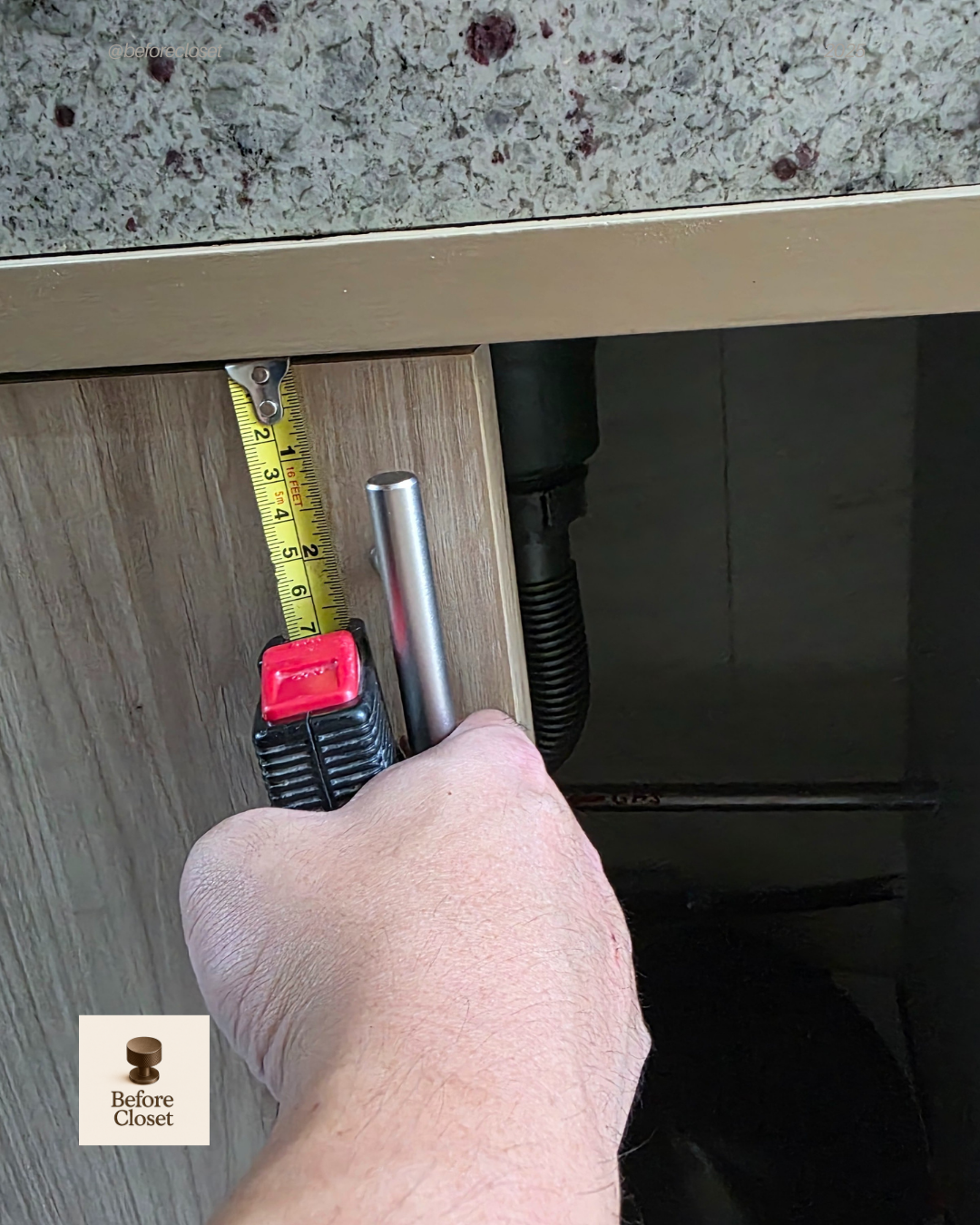
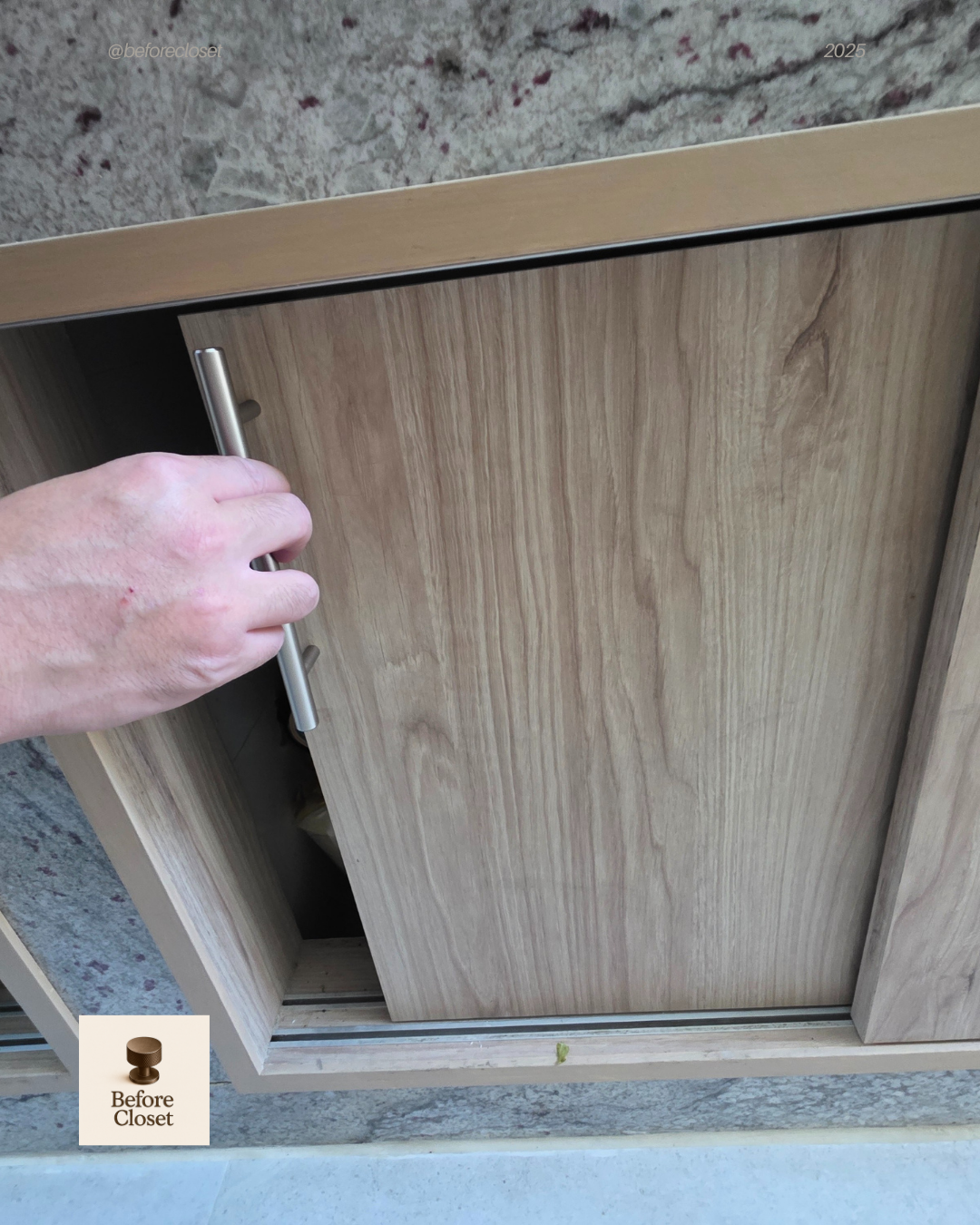
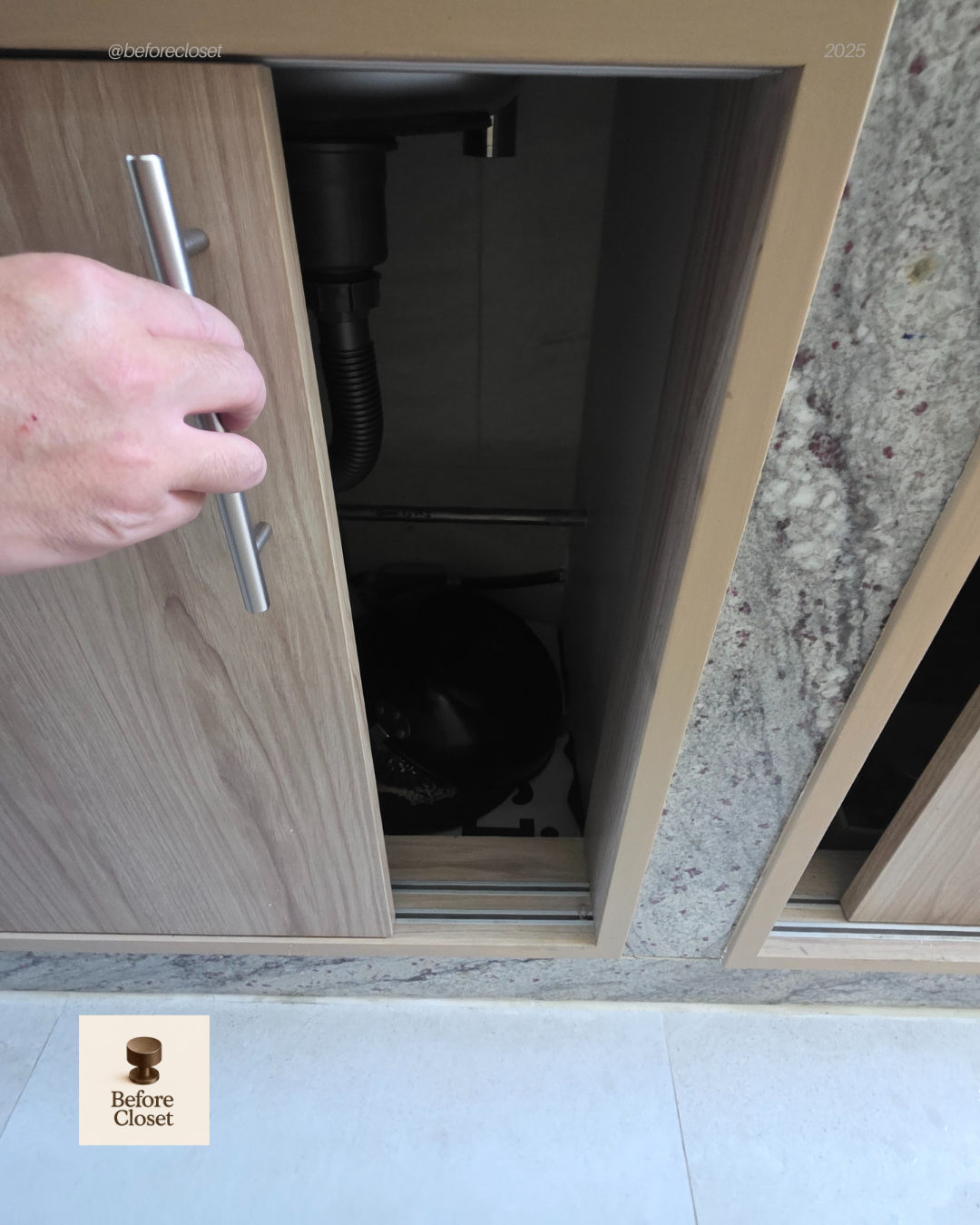
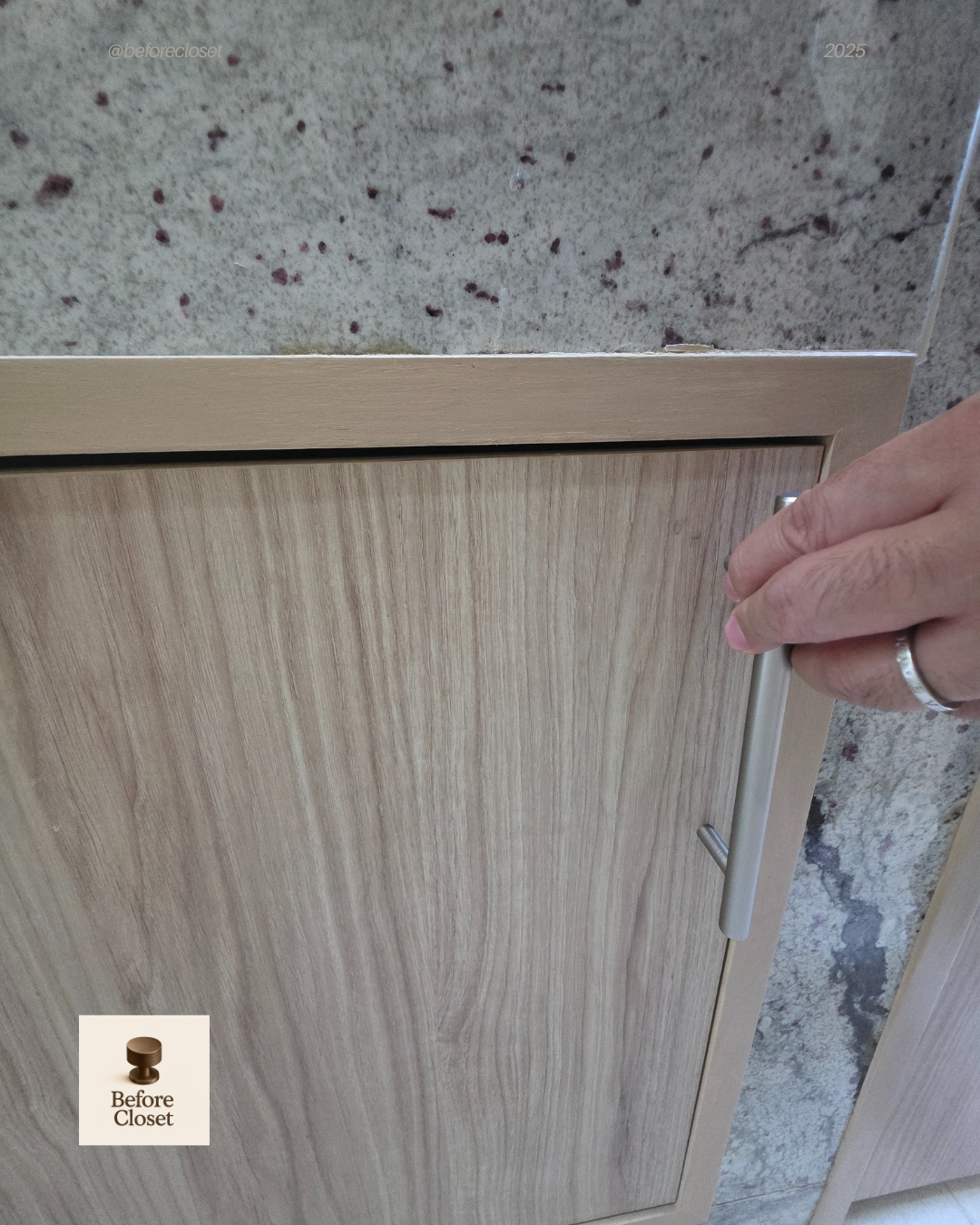
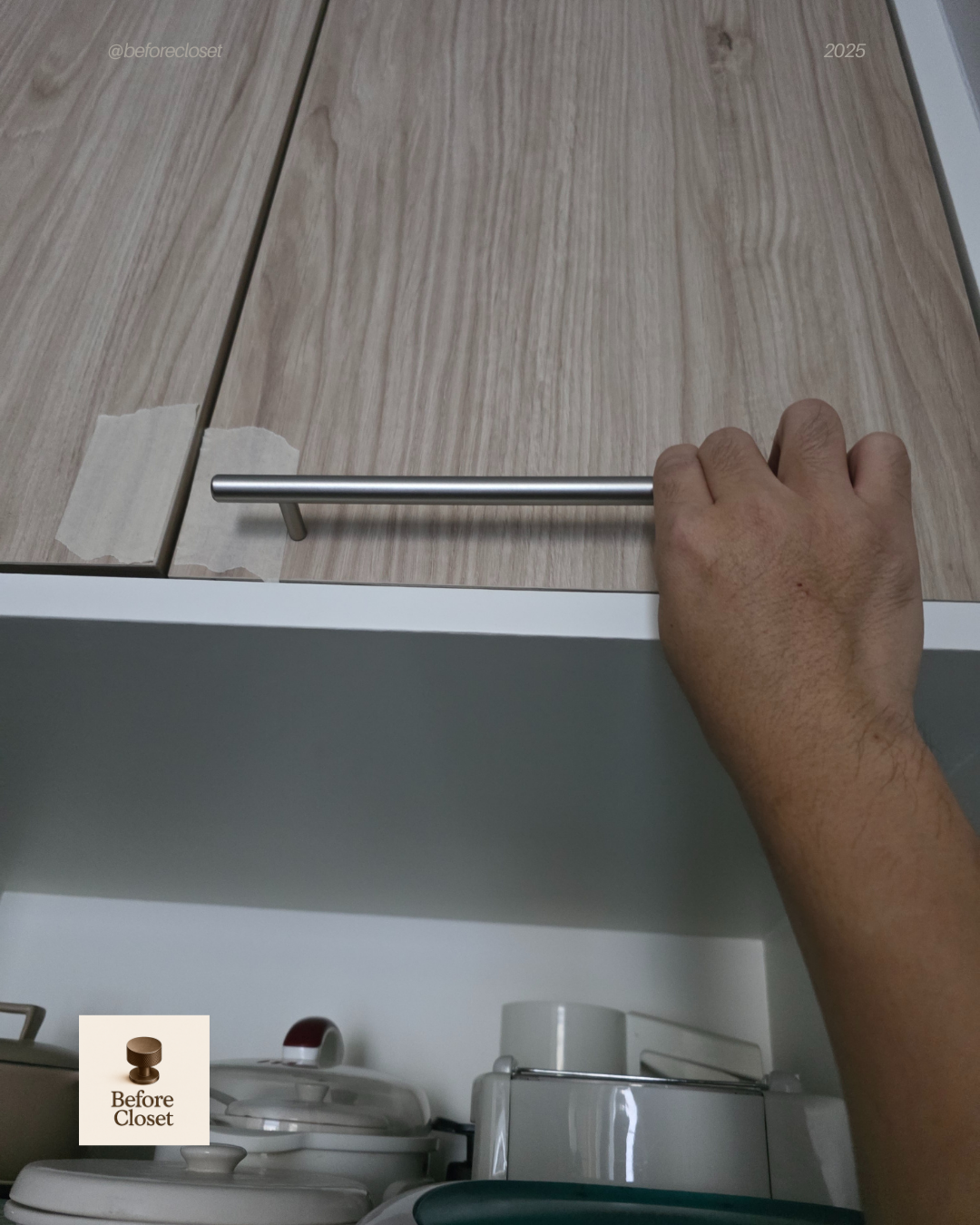
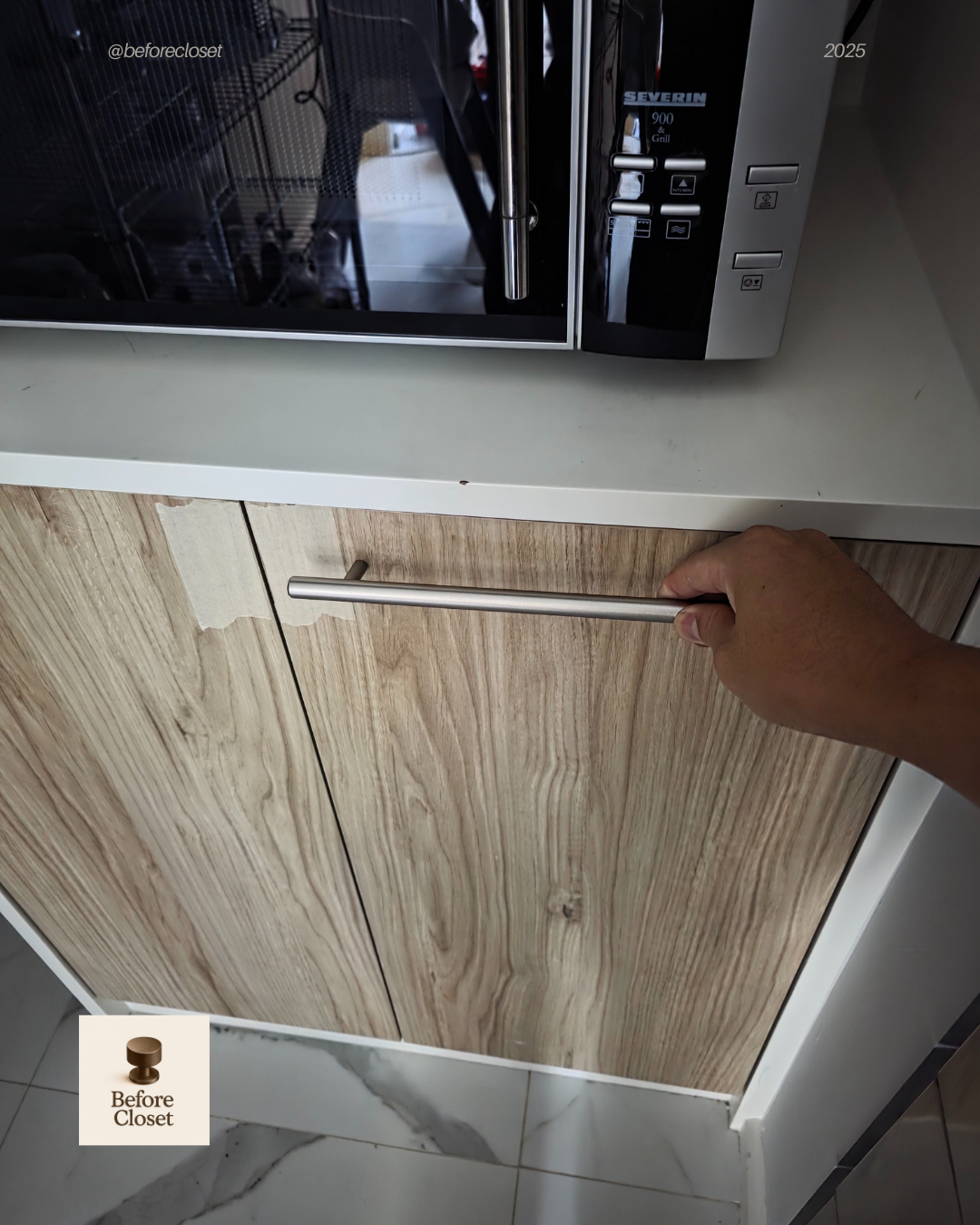
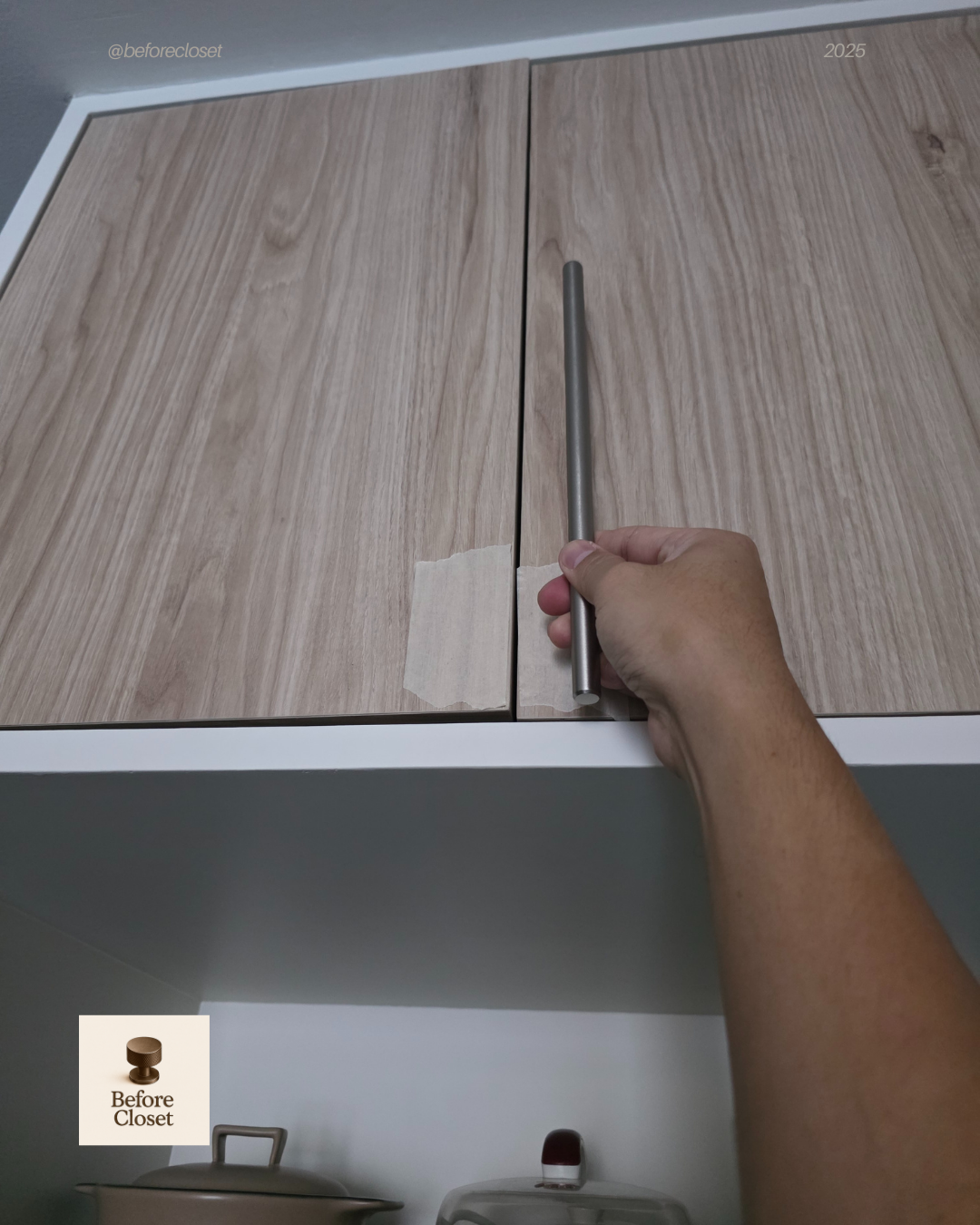
These images document our on-site process of determining the correct handle position for cabinet and door applications — a step that is often underestimated but has a major impact on usability, longevity, and overall design quality.
Rather than relying on standard dimensions or generic drawings, we verify handle placement in real conditions:
checking hand reach, clearance, door swing, internal services, and how the cabinet is actually used day to day.
In this project, handle positions were carefully tested for:
base cabinets with plumbing and service constraints
sliding and hinged doors with limited reveal gaps
upper cabinets requiring balanced reach and visual alignment
long horizontal pulls where millimeters affect comfort and force distribution
Temporary markings, hand testing, and measurement checks were used before final drilling to ensure that every handle feels natural to use and visually calm once installed.
This process helps designers and homeowners avoid common issues such as:
handles clashing with stone edges or frames
uncomfortable grip height
poor leverage on heavy doors
misalignment that becomes obvious over time
At Before Closet, we treat handle placement as part of the design — not an afterthought.
Good hardware does not announce itself.
It simply works, quietly and consistently, for years.
Why the "Datum" Matters for Your Design
The datum serves as a constant reference point. In this project, it ensures that even as the floor or ceiling might have slight variations (common in construction), the closet unique work remains perfectly level. This precision is what separates "standard built-in" from "bespoke luxury."
