
Beyond the Surface: The True Anatomy of Luxury
Look closely at this home.
What makes it truly "luxurious" might not be what you think.
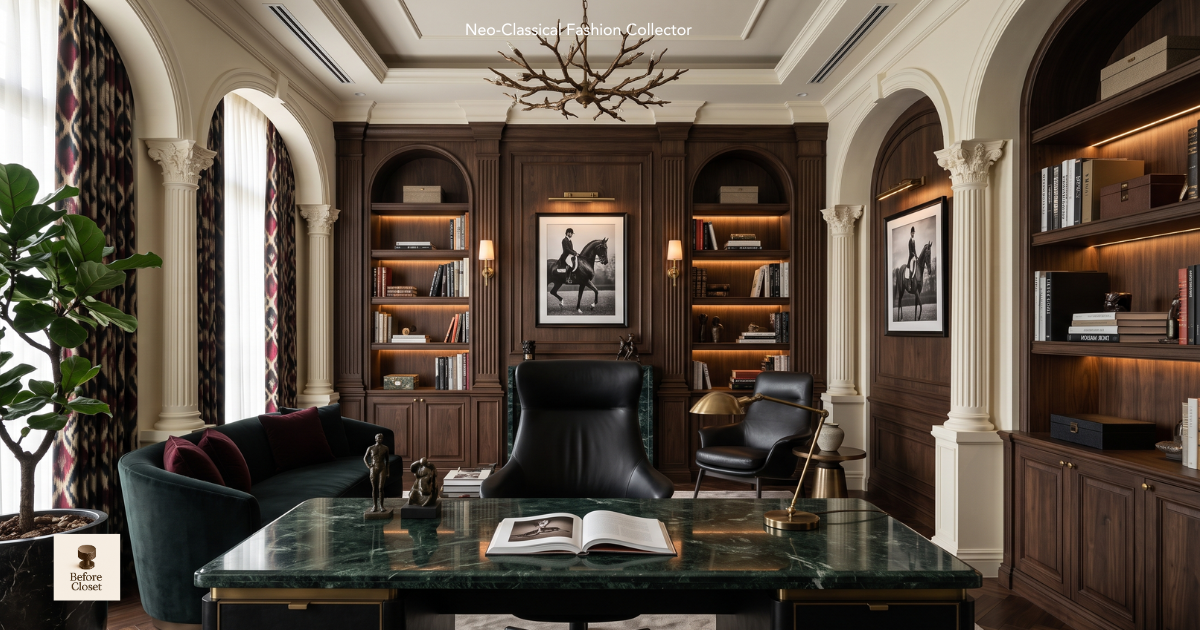
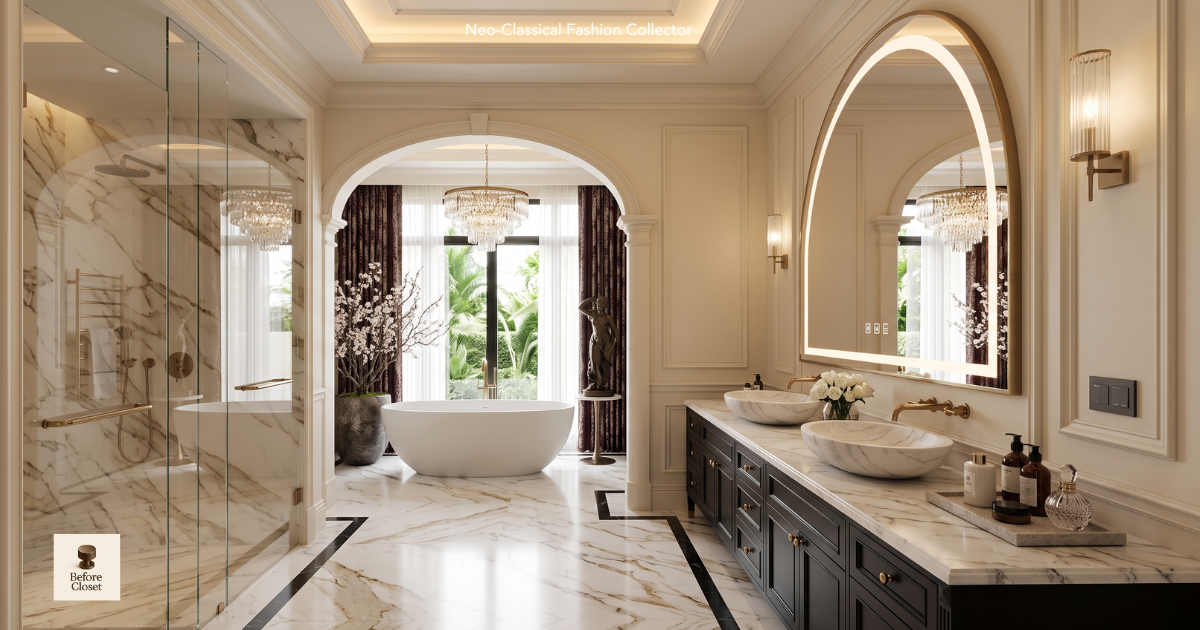
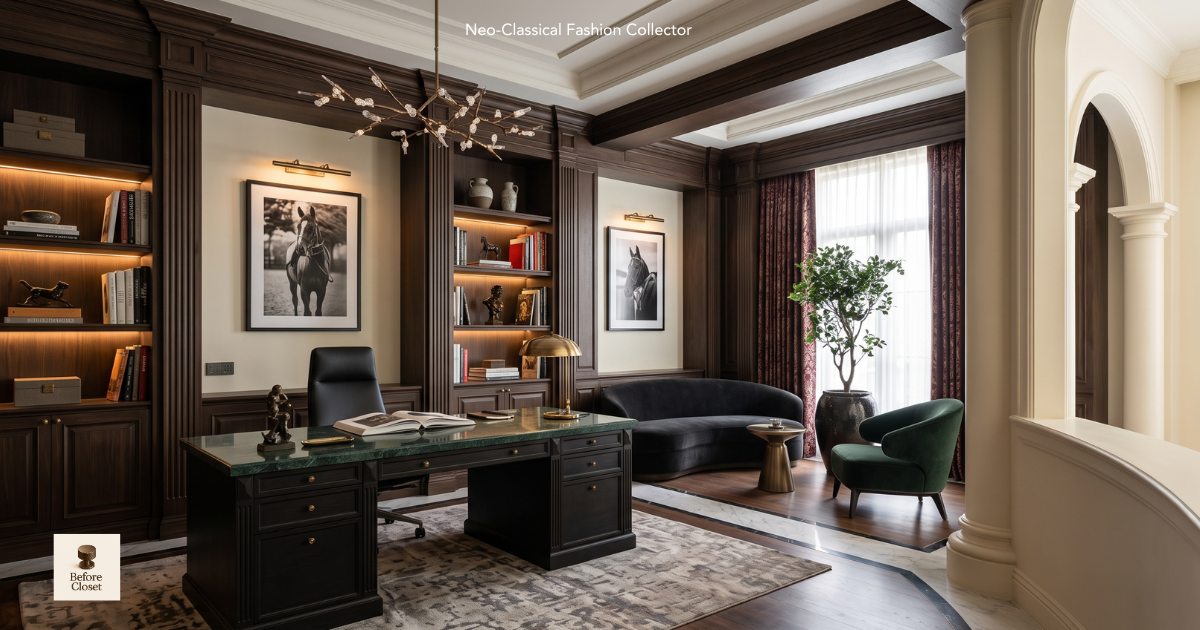
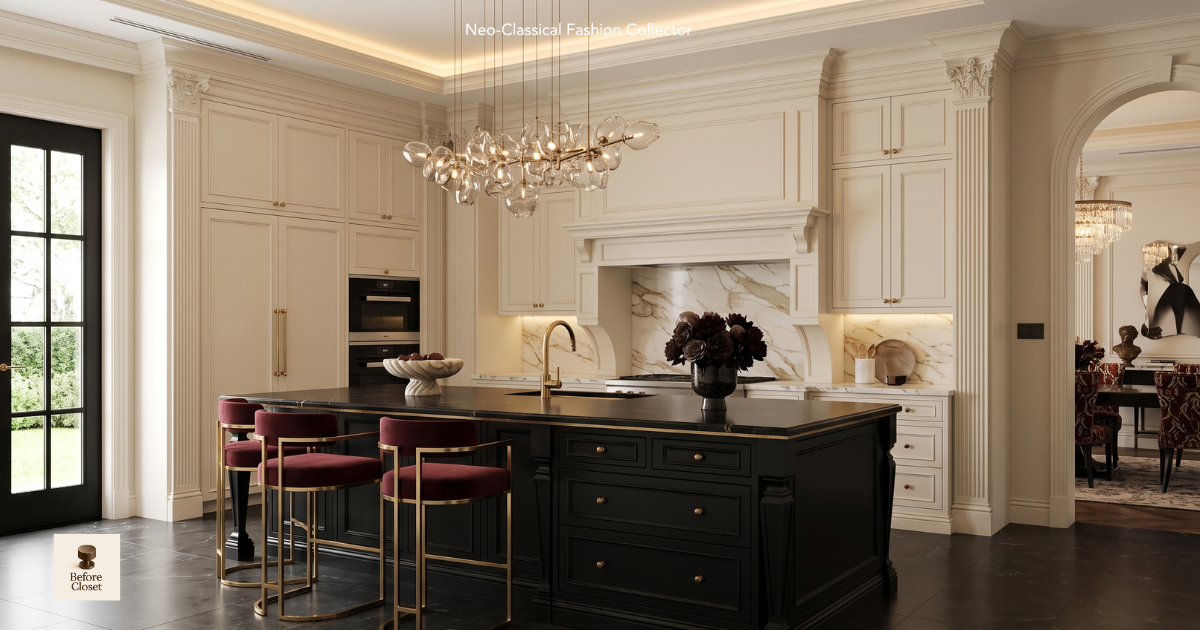
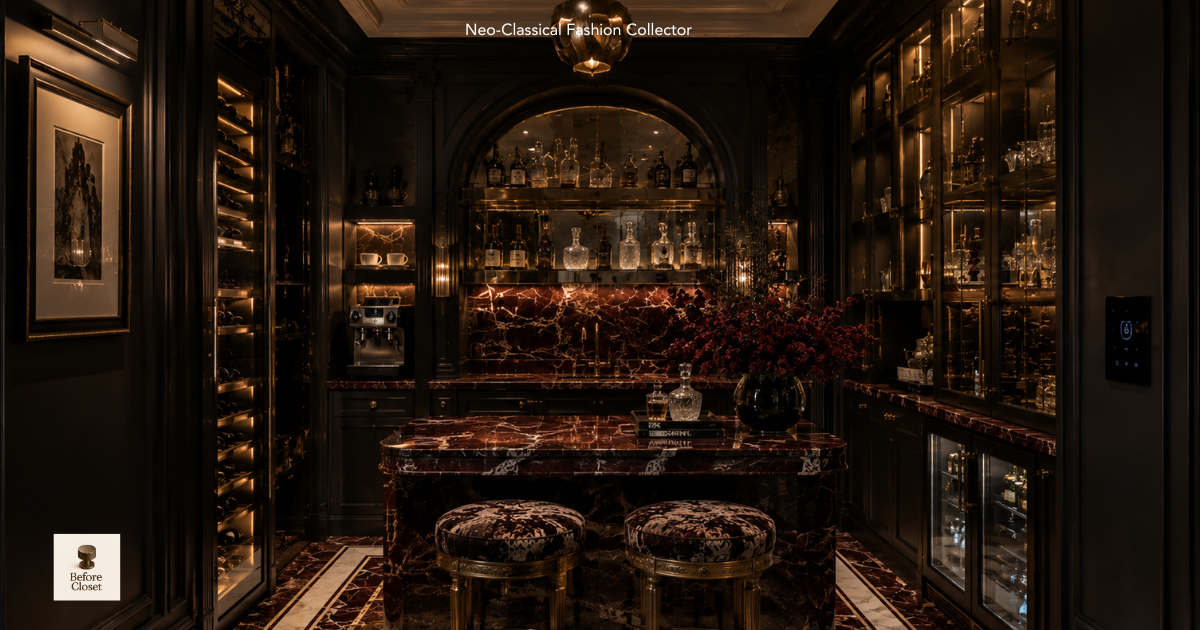
Imagine a space where stately Corinthian columns stand tall, classical arches curve gracefully, and sophisticated marble borders anchor the floor. Sleek black lacquer cabinetry reflects a rich sheen, while a sculptural chandelier acts more like a hanging art piece than a mere light source. In the corner, a rare, uniquely formed indoor tree stands intentionally, serving as a piece of living sculpture.
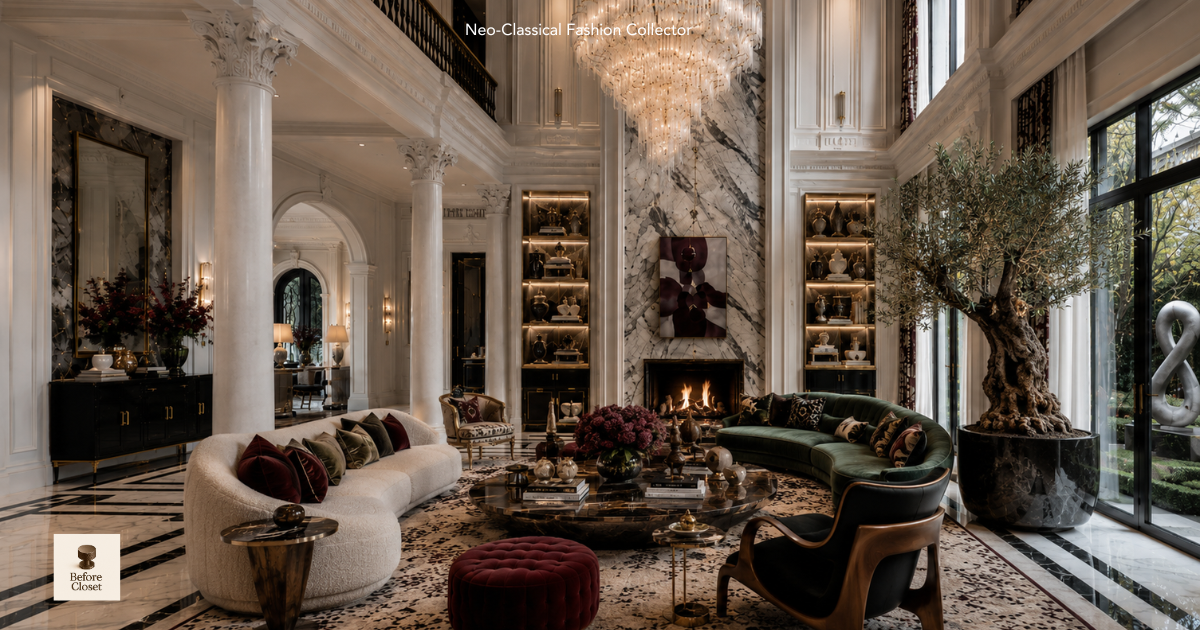
This is the "Neo-Classical Fashion Collector House"
Whatever it is, the way you tell your story online can make all the difference.
—a design concept that borrows the enduring elegance of classical European architecture and effortlessly infuses it with the avant-garde spirit of a fashion collector’s curated archive.
(Note: The images and videos in this showcase are part of a visual study created for design inspiration and conceptual education purposes.)
What makes a home truly luxurious, rather than just superficially expensive?
A common misconception is that luxury is born from simply piling high-priced materials into a room: using the largest possible slab of marble, hanging the most massive crystal chandelier, or buying the most recognizable designer furniture brand name.
But if you observe spaces designed with real distinction and taste, you will quickly notice that those items are just a fraction of the equation.
True luxury comes from the invisible "system of thinking" that guides the entire design. It lives in the mastery of proportion, the deliberate orientation of stone veining, the calculated layers of light, the rhythm of custom textiles, the placement of art, and—most importantly—the small, tactile details we touch every single day without even realizing it.
When these elements are balanced with reason, they signal a deeply refined taste.
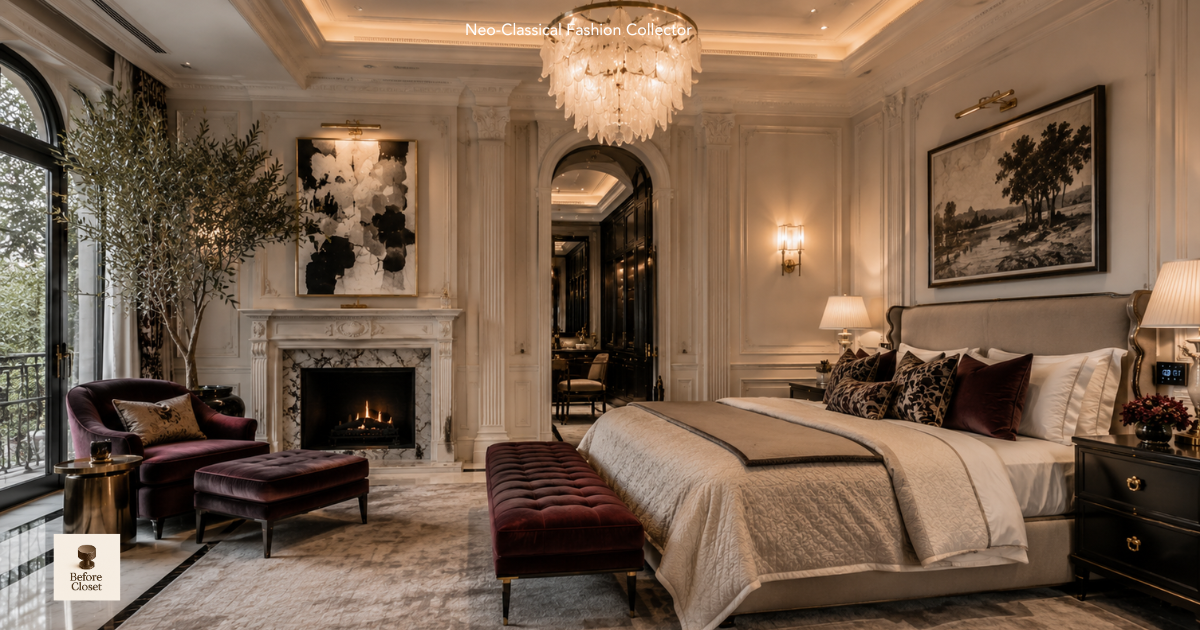
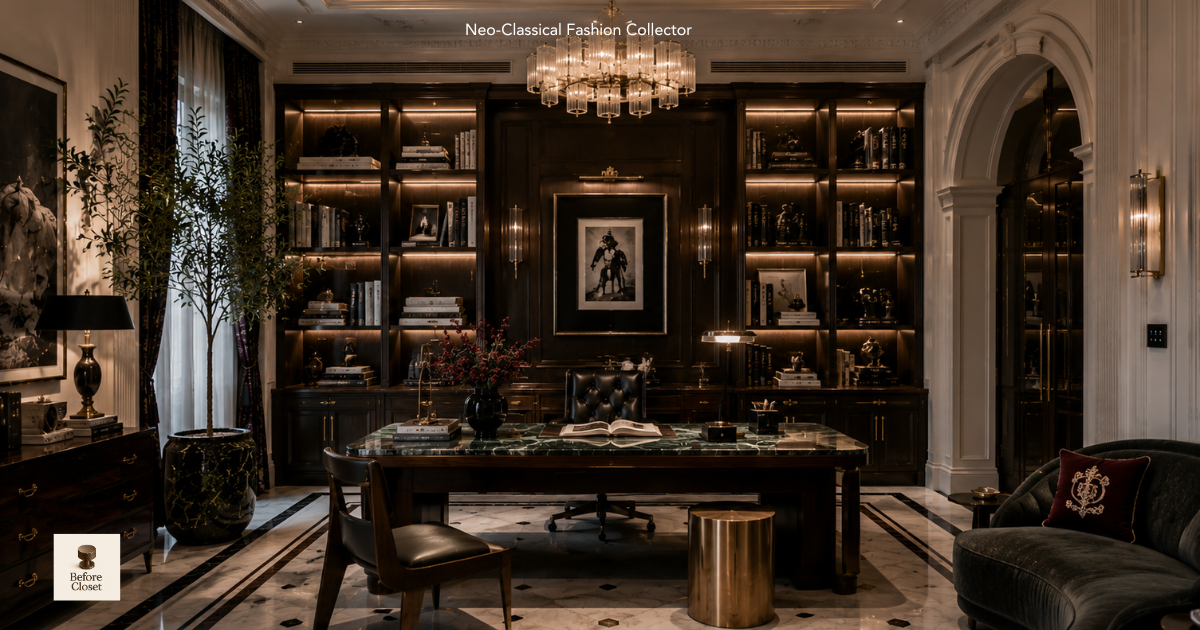
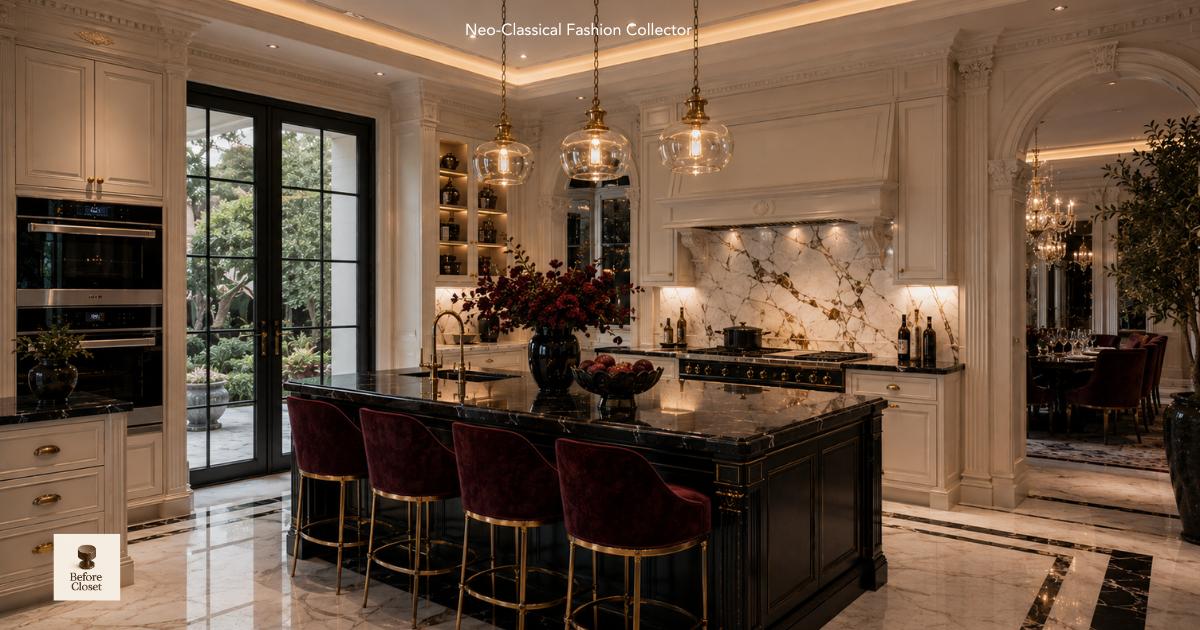
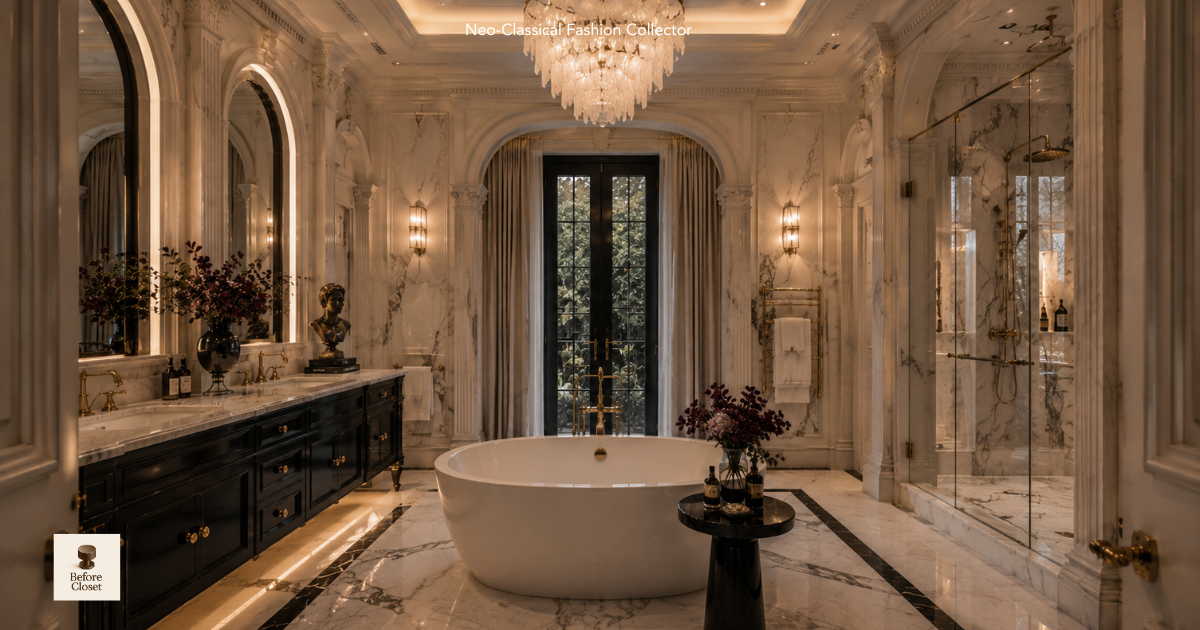
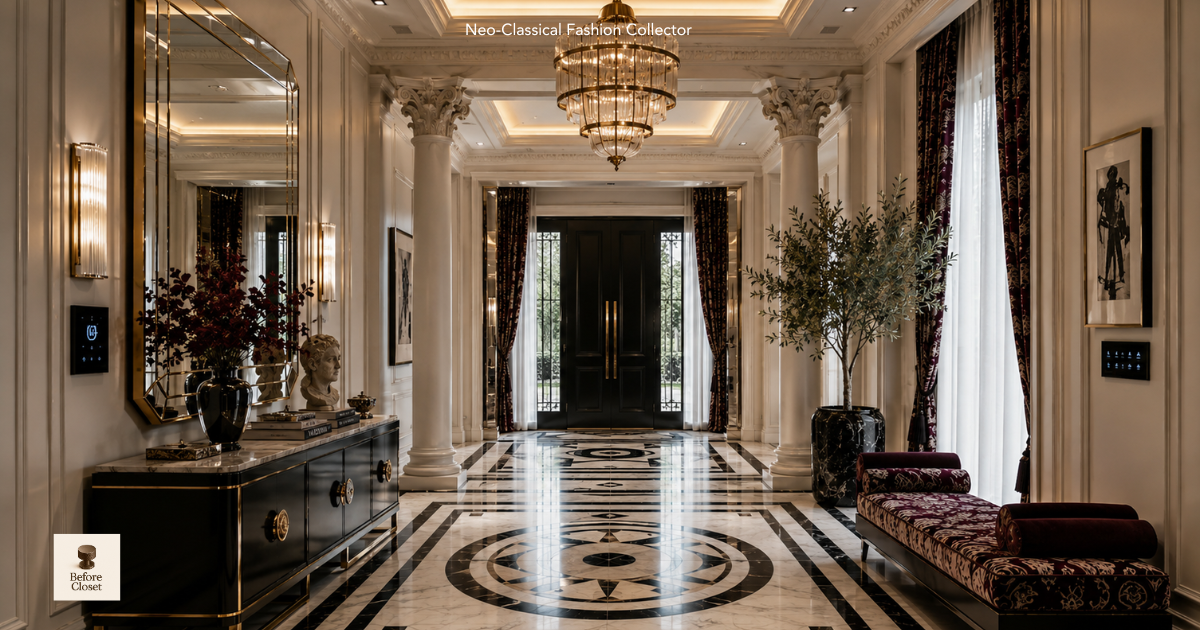
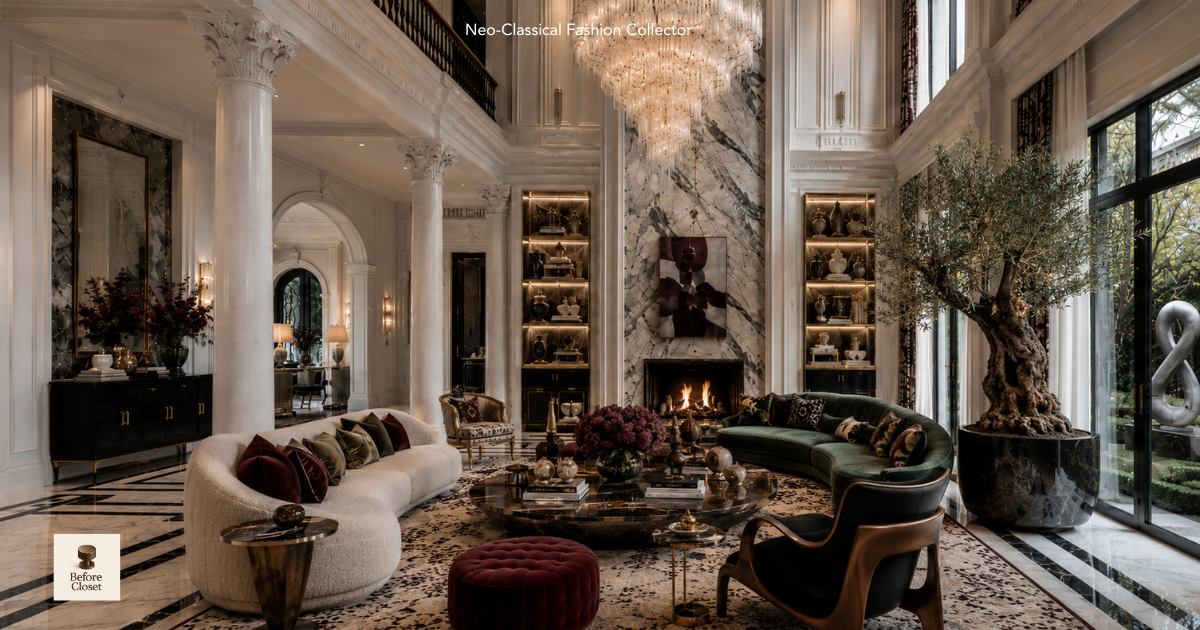
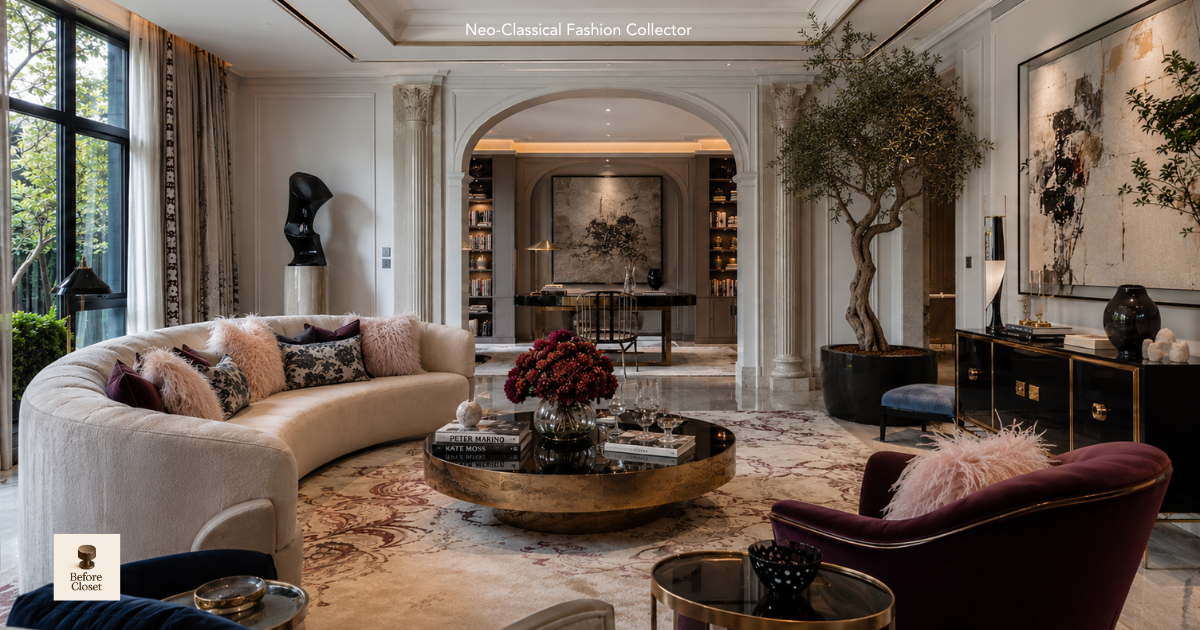
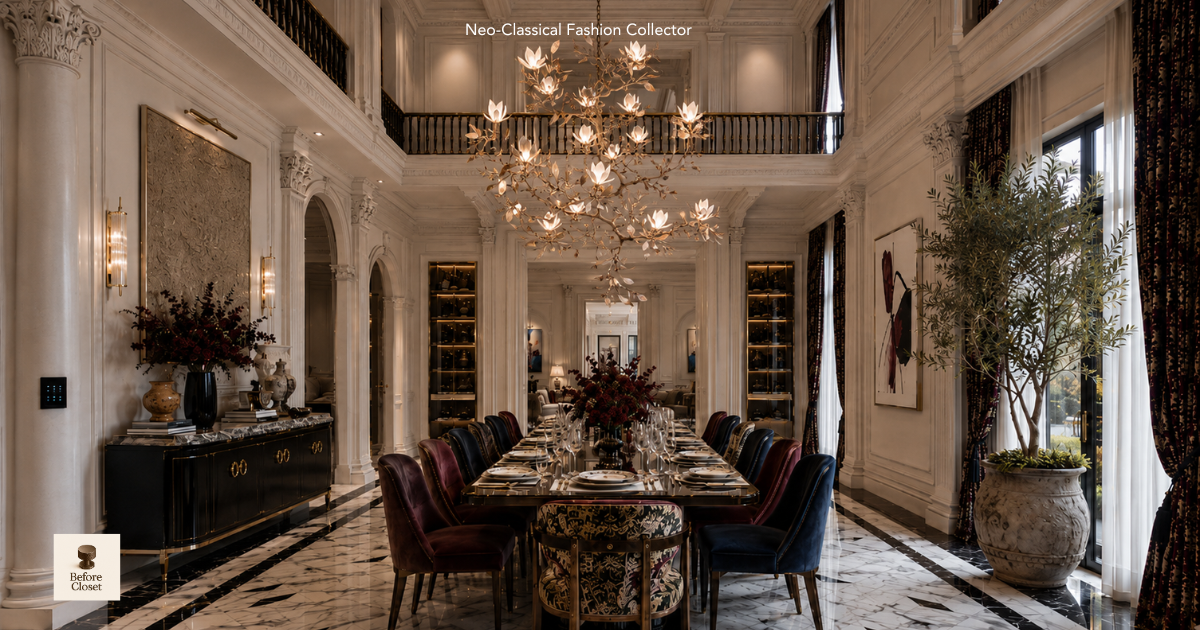
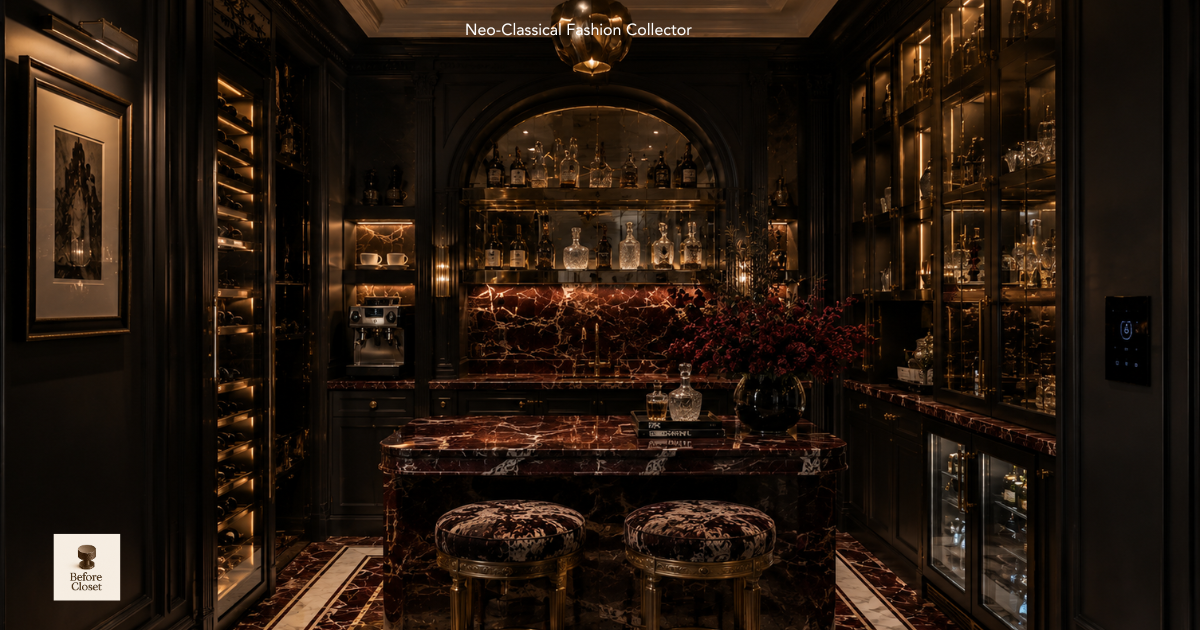
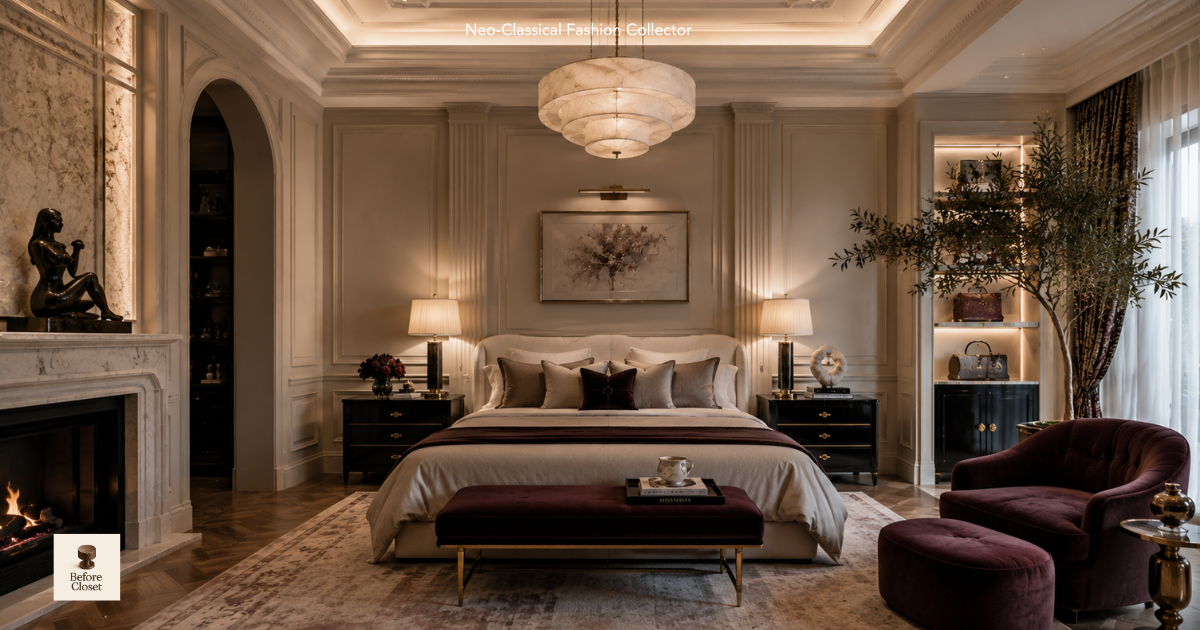
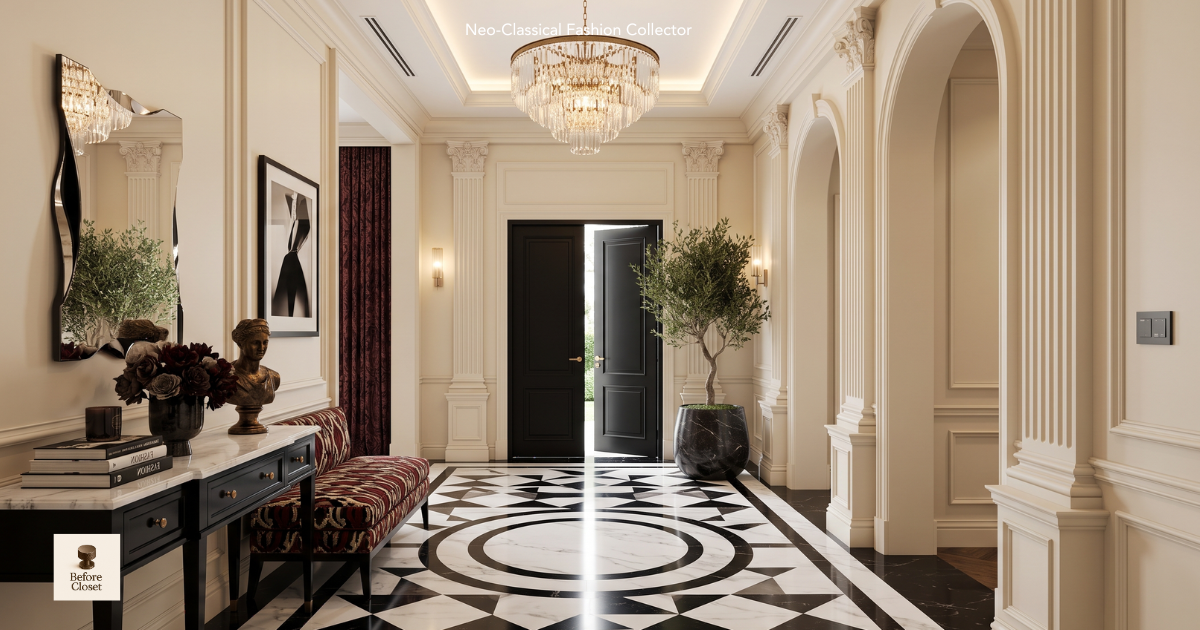
THE DESIGN BREAKDOWN
🏛️ Proportion: The Art of Balance, Not Over-Scaling
The undeniable charm of Neo-Classical architecture lies in its harmonious proportions—the Golden Ratio calculated precisely since antiquity. Bringing classical elements into a contemporary home doesn't mean transforming your living space into a crowded palace. Instead, it’s about deploying architecture intentionally at key transition points, like a singular entrance arch or a primary ceiling beam, while leaving the surrounding areas minimal (Negative Space). This allows the classical structure to act as the true protagonist without overwhelming the room.
🪨 Marble Story: Stone is for Storytelling, Not Showing Off
Every marble variety carries an entirely distinct personality and architectural purpose. Striking stones with deep, high-contrast veining and a distinct fashion identity—such as Arabescato Vagli, Calacatta Viola, or Statuario Extra—belong precisely on focal points like a feature wall or a magnificent kitchen island. Conversely, for expansive surfaces like a main living room floor, softer stones like Travertine or Supergenti allow the eyes to rest. If you blanket an entire home in aggressive, high-contrast veining, visual fatigue sets in, turning luxury into an claustrophobic environment.
👗 Textile & Greenery: Living Sculptures and Fashion Rhythms
Sharp graphic drapery or custom pillows from premier fashion houses introduce immediate character and personality into a room. However, the golden rule is to never let patterns fight one another. Establish a single main visual anchor in the space, and utilize solid, high-quality textiles elsewhere to balance the visual weight.
Similarly, indoor greenery shouldn't just be an afterthought to add a pop of green. We treat trees as living sculptures (Sculptural Trees). Introducing an ancient Spanish Olive Tree with uniquely weathered branches, or a rare bonsai, breaks the hard, rigid lines of polished marble and glossy lacquer, giving the space an organic soul.
💡 Layered Lighting: Creating Dimensions, Not Flat Exposure
A home designed with true sensibility never relies on a single, massive light source. True atmosphere requires a multi-layered lighting strategy: general ambient light for basic visibility, specialized wall-washing to pull out the natural, three-dimensional textures of stone and boiserie molding, and concealed accent lighting to create an intimate evening mood. This careful layering ensures the exact same room feels crisp and grand by day, and deeply warm and enveloping by night.
THE INVISIBLE TOUCHPOINT OF LUXURY
Among all the grand architectural gestures in a home, the one detail people consistently overlook until the final hour happens to be the most vital: Cabinet Hardware and Furniture Handles.
Think about it: how many details in your home do your fingertips interact with more frequently than a handle? Opening your wardrobe in the morning, pulling out a pantry drawer for your morning espresso, opening the media wall, or accessing your vanity before bed—your hands touch these small contact points hundreds of times a day. Yet, many leave this decision to the very end or hand it over entirely to a contractor's standard supply.
Antique Brass infuses the space with a warm, lived-in classical comfort.
Polished Chrome delivers a sharp, clean, uncompromising modern edge.
Bronze brings a soft, deep, and heavily nuanced architectural weight.
This is the exact philosophy and obsession that led us to establish Before Closet:
“Cabinet hardware is the jewelry of the home.”
Handles and fittings are the fine jewelry of your interior. They aren't designed to loudly shout from across the room; they are crafted so that the person living within the space experiences a quiet sense of intentionality, precision, and weight every single time they pull a door open.
A home’s luxury is never validated by a price tag; it is verified by the thoughtfulness hidden within its details. Look around your space—have the small points you touch every day been given the attention they deserve?
: ACCORDION BLOCK – THE DESIGNER'S PLAYBOOK
How do I use classical details without my home looking like a gaudy palace?
Answer: Restraint is everything. Limit your heavy classical elements to 1 or 2 grand gestures, such as a beautifully proportioned archway or an exposed ceiling beam structure. Let the rest of the room breathe with clean lines. Most importantly, respect the historical proportions of classical moldings and columns—these dimensions were perfected centuries ago via the Golden Ratio, and altering them without a structural framework breaks their natural visual harmony.
How do I correctly match different marble patterns across rooms?
Answer: Dedicate your high-contrast, deeply veined marbles to small, high-impact feature zones. For large, continuous flooring, keep the stone patterns uniform, soft, and texturally neutral. To give your home genuine design depth, choose stones with an authentic heritage and origin story—such as Statuario from the historic quarries of Carrara in Tuscany, rare Calacatta cuts from Italy, or the fine, pristine white of Volakas marble sourced directly from Greece.
What is the trick to mixing bold fashion textiles and pattern drapery?
Answer: Select hues and textile patterns that offer a deliberate contrast to the primary palette of the room, allowing them to pop cleanly against major furniture pieces like your sofa or bed. Keep it strictly to one dominant pattern per room, and frame it with premium solid-colored fabrics to anchor the weight and avoid visual noise.
Why should cabinet hardware be planned at the beginning of a project?
Answer: Hardware is the ultimate physical intersection between the human hand and your permanent architecture. Integrating your hardware selections early during the initial built-in sketching phase allows your interior designer to perfectly coordinate the scale, placement, and metallic finishes with the rest of the room's materials. When you invest early in hardware with proper heft and exceptional finish quality, it instantly elevates standard millwork into an entirely bespoke tier of joinery.
Before Closet
Premium Cabinet & Furniture Hardware Discover our curated collections of architectural jewelry. 📍 Showroom: Sukhumvit 33, Bangkok, Thailand
[Book an Appointment / Request a Catalog]
